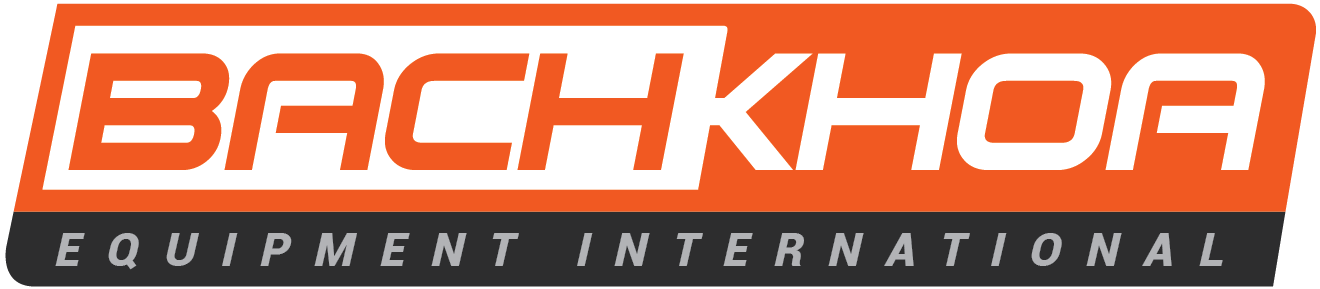

According to the Environmental Protection Agency (EPA), more than 280 million people get their drinking water from a community water system. Drinking water supplies in the United States are among the safest in the world, but even these water sources can become contaminated. Before fresh water can be considered potable, it must be treated to...
Explore now
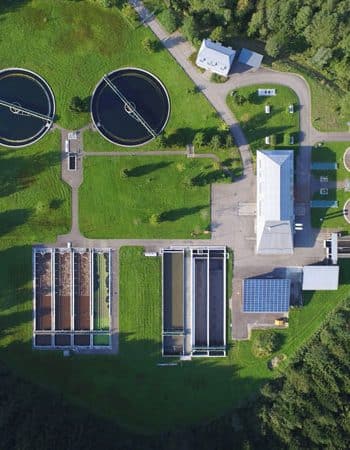
Every day, billions of gallons of wastewater are collected from our homes, businesses, and industries. Wastewater is exactly what it sounds like: water that has already been used and disposed of via a tub, toilet, sink, or storm drains. Because it is full of contaminants that make the water no longer suitable for use, it...
Explore now
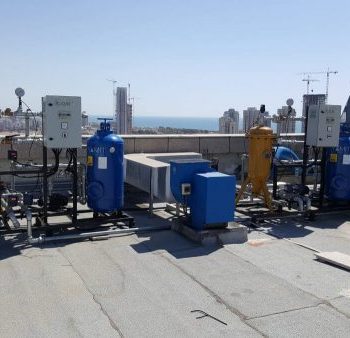
SRCC cleans the water in closed loop water systems at the hotels, hospitals and large buildings by eliminating the anaerobic bacteria that promote corrosion, and biofilms with the disinfectants generated by the electrolytic process. A media filter removes all sludge, corrosion and enables the water to become clean of sludge and debris and transparent in a matter...
Explore now

If you’ve ever spent time in a hospital, you may have noticed a device similar to a home thermostat mounted on the wall with a display stating “ACH”. What exactly does “ACH” stand for and why is it important in a building or hospital? What is ACH? Air changes per hour (abbreviated as ACPH or...
Explore now

Many people think that we get cold and flu viruses more often in the winter due to the cold temperatures outside; however, this can actually be attributed to the fact that we are inside more, thus being exposed to higher concentrations of pollutants. Poor indoor air quality can cause what has come to be known...
Explore now