
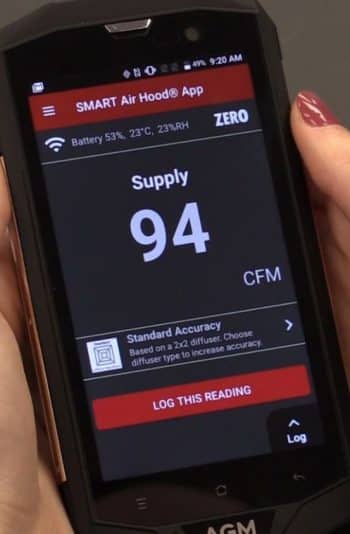
The Dwyer team is proud to announce the new app for the SMART Air Hood® balancing instrument. This app replaces the PredictAir™ application software, and ensures that connecting to your hood and balancing a building is now easier than ever! The automated connection process within the app will prompt you to connect the SMART Air Hood®...
Explore now

Calibration is the comparison and adjustment of a reading from an instrument in correlation with the reading of a higher accuracy piece of equipment. The overall goal of this process is to minimize measurement uncertainty and ensure the accuracy of an instrument. The accuracy of instrumentation can degrade over time. This is caused by wear...
Explore now
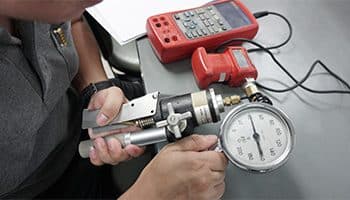
Calibrating measurement instrumentation is something that should never go overlooked. To calibrate instrumentation means to determine, check, or rectify the graduation of any instrument giving quantitative measurement. Calibrating a device ensures that the instrument will properly measure within the desired range for your application. This is important because a properly calibrated measurement device will help...
Explore now
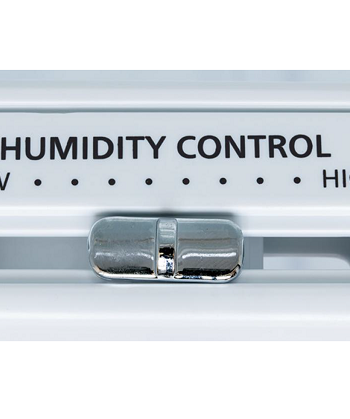
Proper selection and use of relative humidity (RH) sensors are important factors in designing and building a reliable, economical HVAC system. Over the years humidity control has been getting even greater attention because of its positive impact on indoor air quality (IAQ). The importance of humidity measurement and control can mean different things depending on the application. To the...
Explore now

Dwyer Instruments, Inc. offers a multitude of sensors for monitoring air velocity in HVAC systems. Some of this instrumentation has a simple construction (Pitot tubes, for example) while others are more complex, such as hot-wire anemometers. The initial term and first “hot-wire anemometer” was developed back in 1914 by Louie Vesso King. He is also accredited...
Explore now