

Most local regulations for indoor air quality are designed around ASHRAE Standard 62. This standard specifies the minimum amount of outdoor air flow into an occupied space to be between 15 to 60 CFM per person, but more commonly building regulations require 15 to 20 CFM per person. Besides actually measuring the air flow, ASHRAE...
Explore now
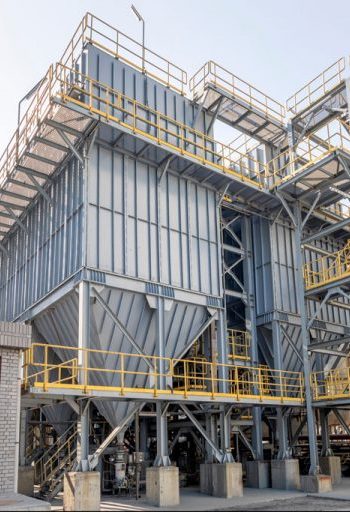
As industries such as building automation and water/wastewater become more energy-efficient, powder and bulk is also increasing energy efficiency using pressure transmitters and variable frequency drives. Pressure transmitter demand is also growing due to more stringent regulations in hazardous environments, where remote control and specialty housings must be available. With a typical dust collection system,...
Explore now
Water chillers are nothing new, with nearly an estimated 100,000 units operating in North America alone. Chillers are the cooling machines of choice to condition industrial, commercial, and institutional facilities. They are used to lower the temperatures of all kinds of equipment and processes such as: robotic machinery; semiconductors; injection and blow molding machines; welding...
Explore now

As buildings continue to become more and more energy efficient, we continue to see updates and recommendations to building designs. For example, ASHRAE recently published an update to Standard 62.1 Ventilation for Acceptable Indoor Air Quality that covers changes to how we monitor and control humidity in occupied spaces. To better understand why these humidity monitoring recommendations...
Explore now
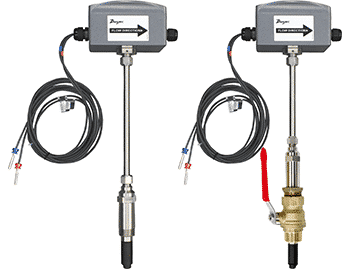
There are a wide variety of technologies that can be used for fluid flow measurement, such as differential pressure, paddlewheel, electromagnetic, and ultrasonic. Furthermore, each technology has multiple installation configurations. It is important to understand the nuances of different technologies and installations in order to pick the right flowmeter for your application. When purchasing a...
Explore now