
As buildings continue to become more and more energy efficient, we continue to see updates and recommendations to building designs. For example, ASHRAE recently published an update to Standard 62.1 Ventilation for Acceptable Indoor Air Quality that covers changes to how we monitor and control humidity in occupied spaces.
To better understand why these humidity monitoring recommendations have changed, we need to understand what is occurring in our buildings. In HVAC technician terms, this involves the sensible heat ratio change (SHR) or sensible energy (dry bulb temperature) over latent energy (moisture held in air). As technology has advanced, building sensible energy ratios have changed due to improvements in lighting or construction materials, which have led to improved energy efficiency. We have also seen these new materials help to make a tighter building envelope, leading to a need for bringing in more fresh air to meet fresh air requirements around carbon dioxide.
These improvements lead to two negative scenarios:

When buildings were less energy efficient, HVAC equipment would typically have to run for longer periods of time in order to maintain dry bulb temperatures; this not only helped to reduce the indoor temperature but also remove humidity from the air. As buildings became more efficient, this equipment developed shorter run times, which in turn caused a loss in the removal of humidity. These changes have led to new problems around mold and moisture in buildings today.
We are now starting to see dew point become the preferred gauge of comfort. This is because relative humidity is much more variable to temperature and will actually decrease as temperatures rise. As air is heated, its ability to hold water vapor doubles with about every 11 degree increase in temperature. For example, if air starts at 100% relative humidity at 60 degrees and is then heated to 93 degrees, the relative humidity will decrease to approximately 33% however, the dew point will remain at 60 degrees.
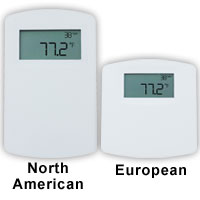
The advantages to measuring dew point are twofold, as it:
To learn about the air quality products that Dwyer offers, including our humidity, temperature, and dew point transmitters, please visit our website.
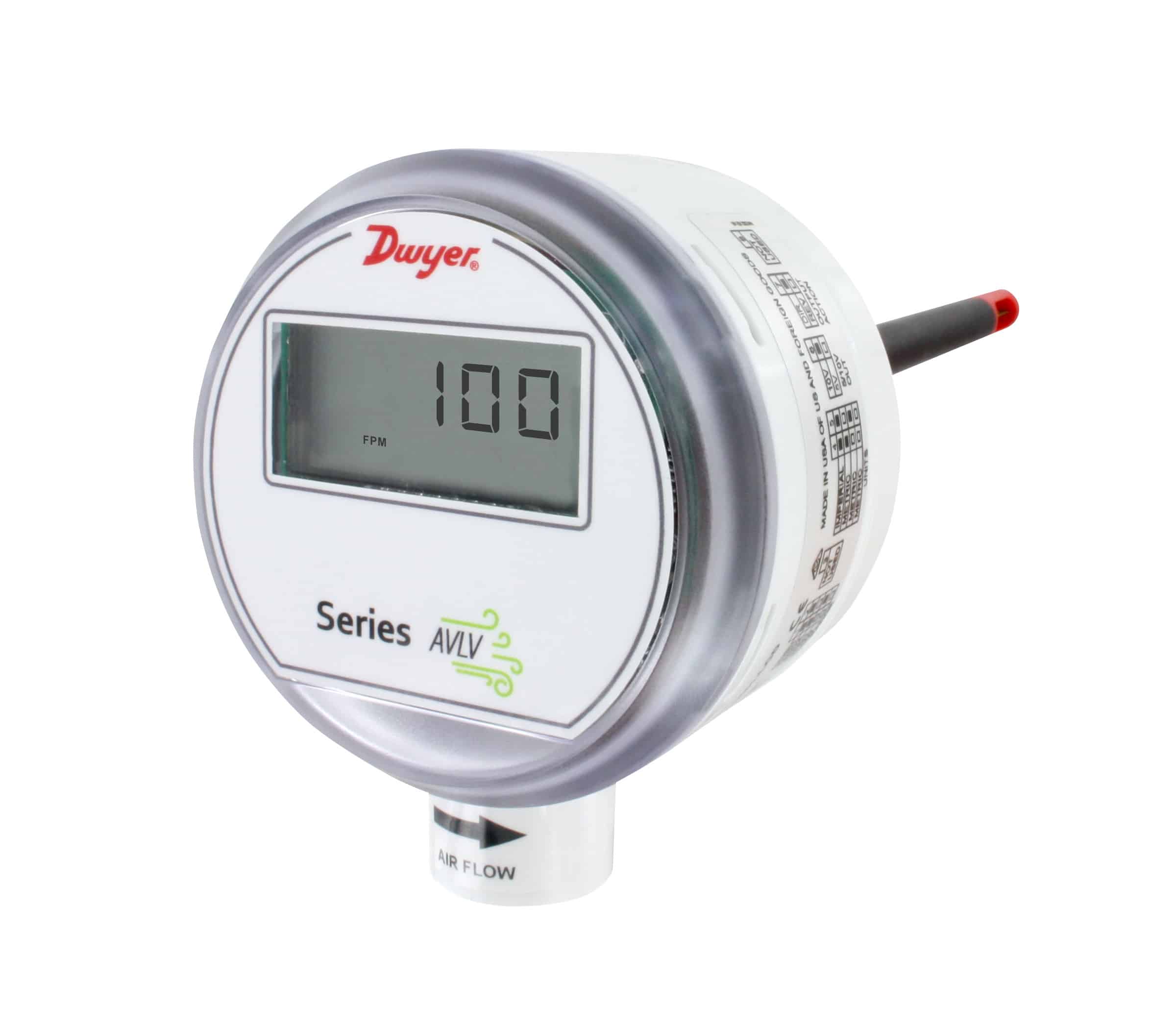
Dwyer Instruments offers a multitude of sensors for monitoring air velocity in HVAC systems. Some of this instrumentation has a simple construction (Pitot tubes, for example) while others are more complex, such as hot-wire anemometers. The initial term and first “hot-wire anemometer” was developed back in 1914 by Louie Vesso King. He is also accredited...
Explore now
From dairy to petrochemicals, several applications require monitoring or control of liquids in tanks. Wastewater facilities are among the many industries requiring meticulous observation. The technology used for this measurement is dependent upon the type of tank and its contents. Capacitive level switches, for example, detect level and send a switch signal output when the...
Explore now

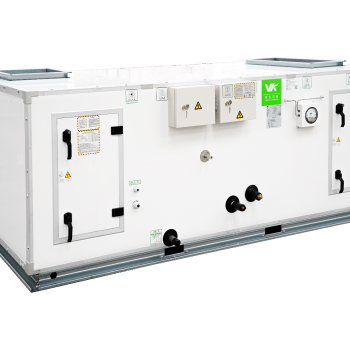 The Modular AHU (VAC series) is engineered to serve environments with stringent requirements for air quality, temperature, and humidity control. Thanks to its flexible modular design, cross-contamination prevention, microbial growth inhibition, and superior thermal insulation performance, the product is ideal for a wide range of diverse applications.
VECK - MODULAR AIR HANDLING UNIT (AHU) - VAC
Explore now
The Modular AHU (VAC series) is engineered to serve environments with stringent requirements for air quality, temperature, and humidity control. Thanks to its flexible modular design, cross-contamination prevention, microbial growth inhibition, and superior thermal insulation performance, the product is ideal for a wide range of diverse applications.
VECK - MODULAR AIR HANDLING UNIT (AHU) - VAC
Explore now
 The VECK VASW Series is a premier air-cooled screw chiller solution, specifically engineered for large-scale central air conditioning systems. By perfectly integrating advanced screw compressor technology with an intelligent control system, VECK is committed to delivering superior cooling efficiency across all weather conditions.
VECK - AIR-COOLED SCREW CHILLER - VASW
Explore now
The VECK VASW Series is a premier air-cooled screw chiller solution, specifically engineered for large-scale central air conditioning systems. By perfectly integrating advanced screw compressor technology with an intelligent control system, VECK is committed to delivering superior cooling efficiency across all weather conditions.
VECK - AIR-COOLED SCREW CHILLER - VASW
Explore now
 The VECK FCU Series is a premium line of Fan Coil Units featuring cutting-edge BLDC motor technology from China. Designed as an optimal solution, it delivers refreshing airflow, ultra-quiet operation, and exceptional energy efficiency. It is the perfect choice for central air conditioning systems in office buildings, hotels, and modern commercial projects.
VECK - FAN COIL UNIT (FCU)
Explore now
The VECK FCU Series is a premium line of Fan Coil Units featuring cutting-edge BLDC motor technology from China. Designed as an optimal solution, it delivers refreshing airflow, ultra-quiet operation, and exceptional energy efficiency. It is the perfect choice for central air conditioning systems in office buildings, hotels, and modern commercial projects.
VECK - FAN COIL UNIT (FCU)
Explore now
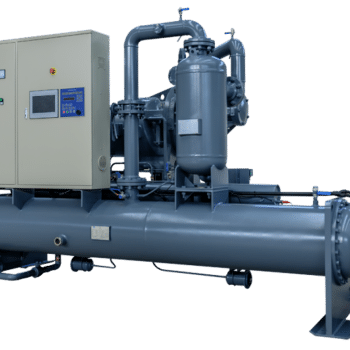 The Ebara RHSCW Series is a water-cooled screw chiller line featuring Japan's leading twin-screw compression technology. It is an optimal solution designed to provide a stable chilled water supply for central air-conditioning systems and large-scale industrial cooling processes.
EBARA-HIGH EFFICIENCY SCREW CHILLER-RHSCW
Explore now
The Ebara RHSCW Series is a water-cooled screw chiller line featuring Japan's leading twin-screw compression technology. It is an optimal solution designed to provide a stable chilled water supply for central air-conditioning systems and large-scale industrial cooling processes.
EBARA-HIGH EFFICIENCY SCREW CHILLER-RHSCW
Explore now