
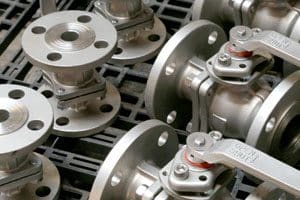
Valves are used to handle a wide variety of functions in controlling the flow of liquids and gases. With so many options available, it’s important to look at all of the factors to ensure you are selecting the correct valve for your application. 1. Media Type The characteristics of the liquid or gas type being...
Explore now
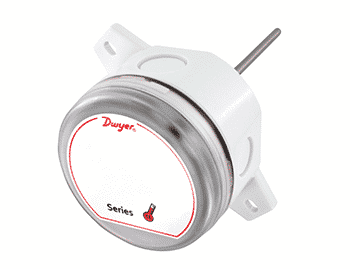
There are three main types of temperature sensors, and each one has its own strengths and weaknesses. Today we’ll be discussing the advantages/disadvantages of each RTD temperature sensors, thermistors, and thermocouples. A resistance temperature detector (RTD) is made from a sensing element that changes resistance with temperature. The majority of RTDs use a platinum temperature sensing element. Platinum offers...
Explore now
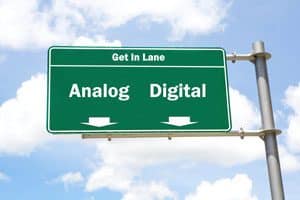
In today’s industry, the number of device output signals continues to grow. Each signal is different; so how do you figure out which one is right for your application? The easiest way to hone-in on the correct signals for your application is to decide whether you want a digital communication signal or an analog signal. Most...
Explore now
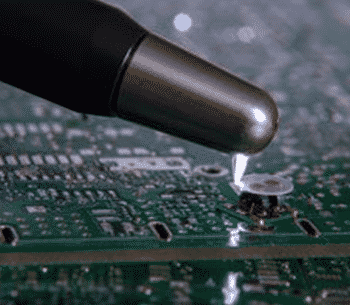
At one point or another we have all been exposed to some form of an electrostatic discharge (ESD) event, even something as simple as walking across a carpeted space, touching a door knob, and receiving an unexpected jolt. These types of events are very common in instrumentation applications. Today we will discuss what ESD is,...
Explore now
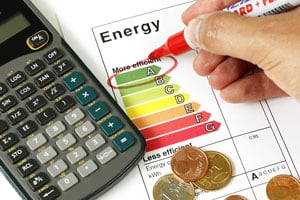
Energy costs are rising around the world. In the United States, the cost of electricity, natural gas, and coal are all expected to increase in 2020.[1] As oil prices increase, energy costs are rising in Britain, and in Australia, the cost of electricity has skyrocketed.[2] It will become increasingly necessary to manage costs by maintaining efficient operation...
Explore now