
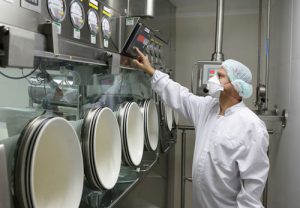
In many industrial processes, the materials and the end product or by-products of the process, such as dust or vapors, can create conditions for a hazardous environment. Processes that have potential for hazardous environments include: water treatment, oil drilling, gas and chemical processing, power generation, pharmaceutical, and food manufacturing. The measurement and control of these processes are...
Explore now
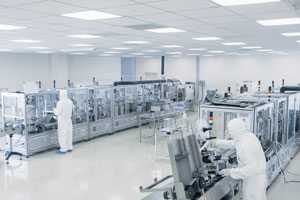
The Dwyer team recently released the Series MSX Pro Magnesense® Differential Pressure Transmitter, which meets stringent industry standards with innovative global product design. This series is ideal for monitoring building control applications, and also utilizes enhanced accuracy and stability for use in high performance, critical environments. The MSX Pro has exceptional stability for use in critical building...
Explore now 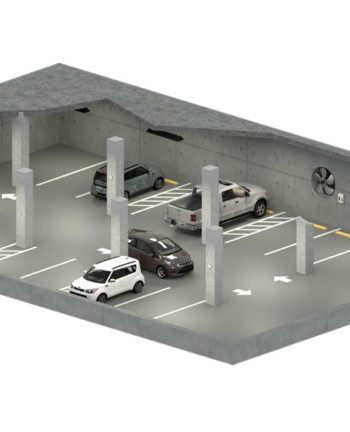
The Series GSTA carbon monoxide/nitrogen dioxide gas transmitters offer a robust, low cost alternative to standalone garage ventilation control packages. As cities around the world continue to grow, the need for parking becomes an integral part of new commercial and municipal building plans. Many building designers are finding ways to offer adequate parking in a limited amount...
Explore now 
This week is Air Quality Awareness Week, which is promoted by AirNow to discuss the importance of healthy air for everyone. One vital part of air quality involves monitoring humidity and temperature, so using an accurate outside humidity and temperature sensor can have a significant impact. Most air handling units (AHUs) use what is called an economizer...
Explore now 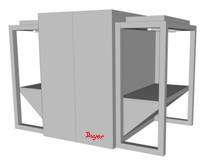
There are many manufacturing processes that require human operators to perform tasks, which can create hazardous levels of particulate, fumes, gases, vapors, and mists. A few of these processes include: welding, sanding, grinding, brazing, laser cutting, tempering, and quenching. The Occupational Safety and Health Administration (OSHA) has regulatory requirements to reduce worker’s exposure to these hazards, which...
Explore now