Proper selection and use of relative humidity (RH) sensors are important factors in designing and building a reliable, economical HVAC system. Over the years humidity control has been getting even greater attention because of its positive impact on indoor air quality (IAQ).

The importance of humidity measurement and control can mean different things depending on the application. To the museum curator, it means preserving valuable artwork and artifacts. To the hospital facilities engineer, it means a comfortable environment for the patients, as well as maintaining accurate moisture control to prevent the spread of bacteria and infection. And to the building maintenance professional, it means a reliable building automation system that reduces energy costs while increasing the comfort of its occupants.
RH SENSOR / TRANSMITTER SELECTION
Each application should be carefully analyzed before sensor selection to ensure the device will meet all necessary requirements. The most important questions to ask are:
What RH range do you need to measure?
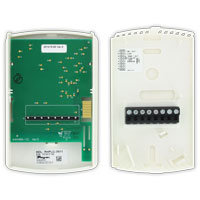
Each manufacturer uses a unique sensor element. The most commonly used technologies today are capacitive and bulk polymer resistive. In basic commercial applications, either sensor technology will most likely meet your needs. However, each of these sensor technologies have advantages and disadvantages. If you know that you need a fast response time to changes in humidity, high-resistance to surface contamination, or repeatable readings at high humidity levels (>95% RH), please check with the manufacturer to ensure that the sensor will perform properly.
Are any chemicals or contaminants present?
Because each sensor has its own strengths and weaknesses with certain chemical agents, identifying and comparing a list of all chemicals and their concentration to the manufacturer’s contamination compatibility chart is extremely helpful. This will not only help you select the proper sensor, but it will also help in determining the sensor’s life and the best location for mounting. An example of where this would be important is in a swimming pool application where chlorine vapors are present.
What accuracy is required (1%, 2%, 3%, or 5%)?
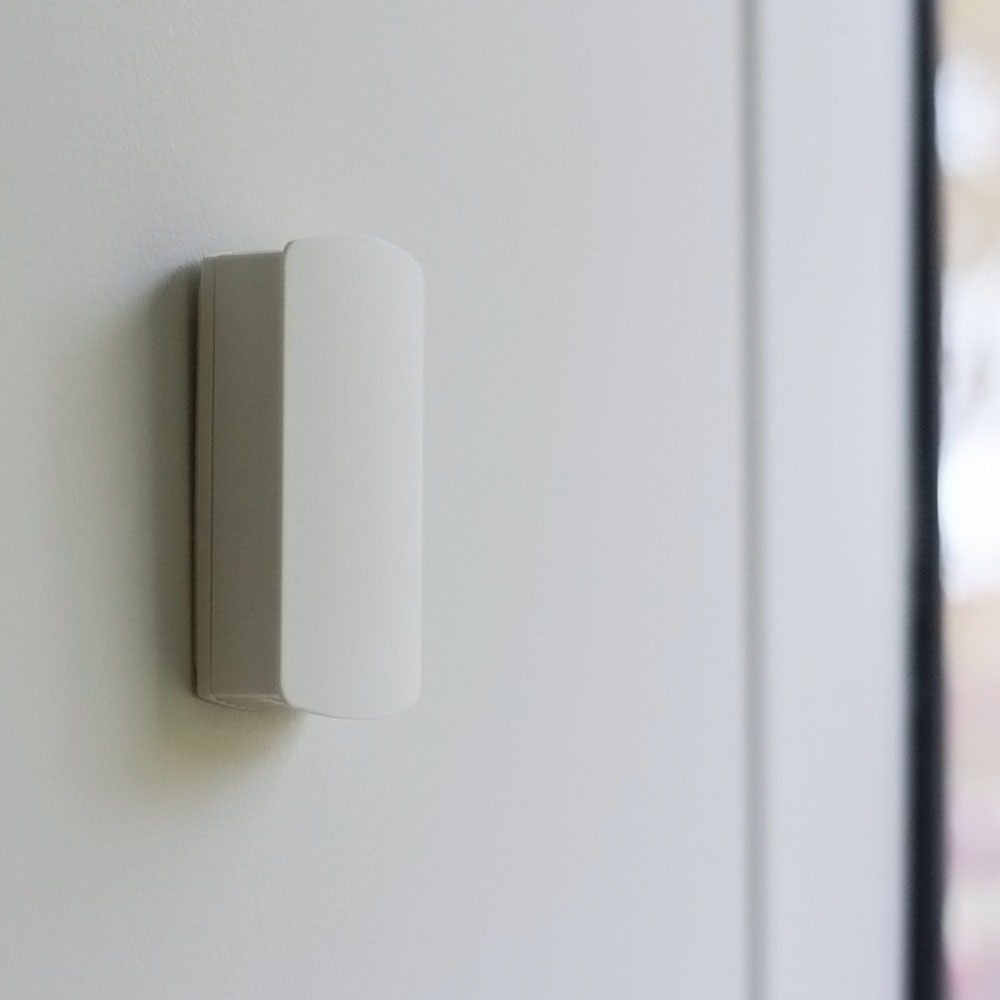
Depending on the application, accuracy may be crucial or it may not be as important. Why spend more for a highly accurate transmitter (1% or 2%) if it’s simply being installed in a return air duct for commercial-grade monitoring? It is more important to have a higher degree of accuracy in precise control environments such as labs or hospitals. Over-specifying the accuracy can cost more and may not make the system any more efficient. Make a prudent choice based on how critical the system really is.
What drift rate can I accept (1% or 5% per year)?
Drift is inherent to all RH sensors, and it occurs over time due to a shift in the sensor characteristics, regardless of the manufacturer. Always select a transmitter with a low drift value (less than 1% per year).
What is the temperature range?
Is the unit being installed in a room where temperature ranges are typically narrow, or is it being placed in a duct or outdoor application where it may see wider temperature ranges? Consider the extremes before making a choice.
Is the unit temperature compensated?
All RH transmitters are affected by temperature that many manufacturers compensate for in the circuitry. This is usually labeled as “Temperature Effect” and is expressed as a percentage per °F or °C. Since most transmitters are factory-calibrated at 77°F (25°C), select a product that has a minimal (low) temperature effect value. This will help ensure RH accuracy at high and low probe temperatures.
How does the manufacturer calibrate the transmitter? Is it NIST traceable?
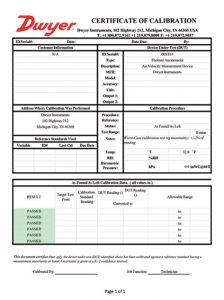
This varies from manufacturer to manufacturer. Many companies perform a manual calibration at only three RH values (low, medium, and high or 30%, 50%, and 80%) Others use sensors that are digitally calibrated at numerous RH and temperature values. The best that can be said of a transmitter is that it is digitally calibrated at multiple RH values against a NIST (National Institute of Standards and Technology) traceable standard. This ensures complete accuracy over the entire measurement range.
To learn about Dwyer’s calibration services, please visit our website.
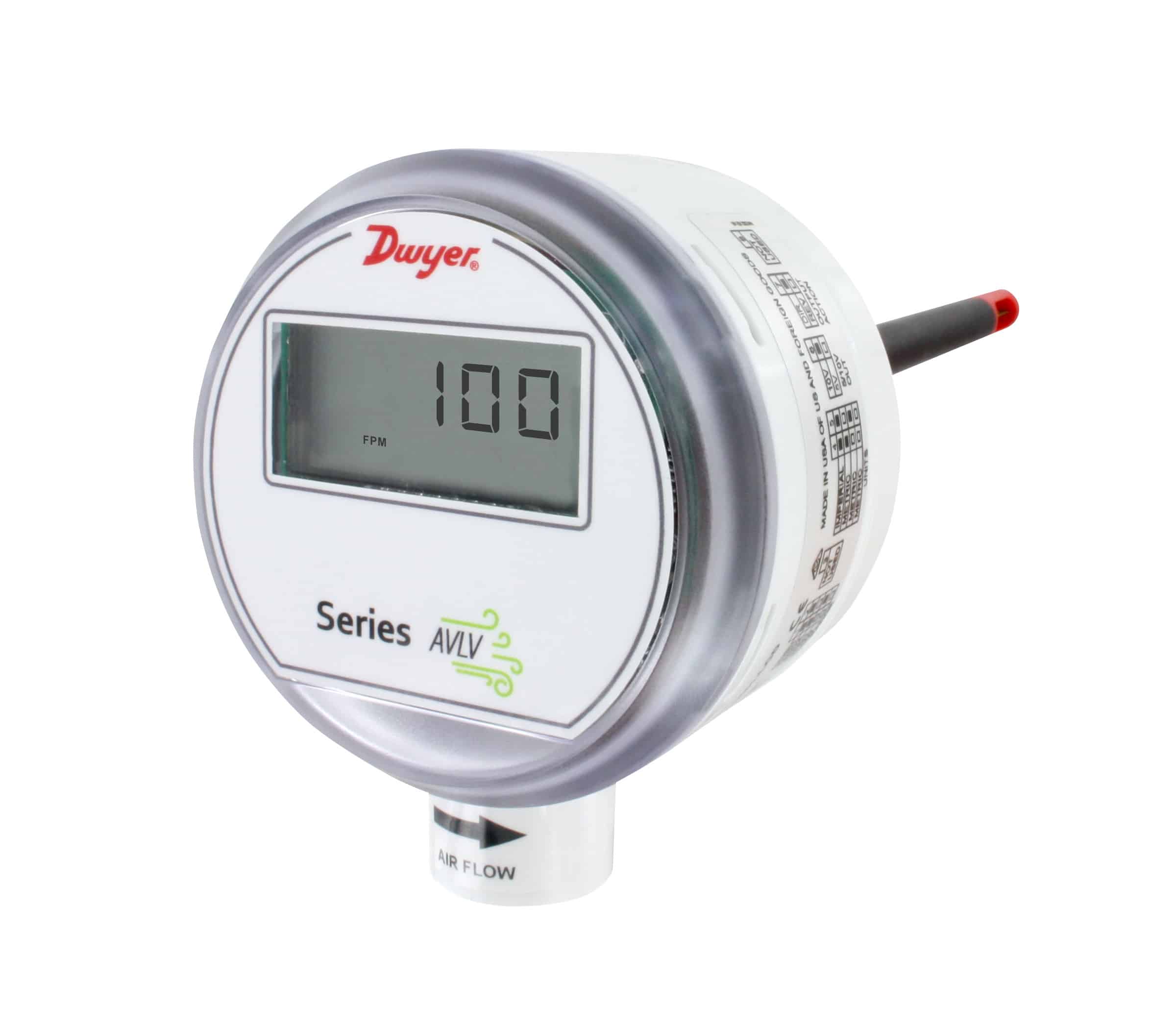
Dwyer Instruments offers a multitude of sensors for monitoring air velocity in HVAC systems. Some of this instrumentation has a simple construction (Pitot tubes, for example) while others are more complex, such as hot-wire anemometers. The initial term and first “hot-wire anemometer” was developed back in 1914 by Louie Vesso King. He is also accredited...
Explore now
From dairy to petrochemicals, several applications require monitoring or control of liquids in tanks. Wastewater facilities are among the many industries requiring meticulous observation. The technology used for this measurement is dependent upon the type of tank and its contents. Capacitive level switches, for example, detect level and send a switch signal output when the...
Explore now

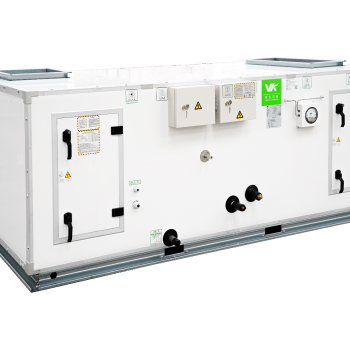 The Modular AHU (VAC series) is engineered to serve environments with stringent requirements for air quality, temperature, and humidity control. Thanks to its flexible modular design, cross-contamination prevention, microbial growth inhibition, and superior thermal insulation performance, the product is ideal for a wide range of diverse applications.
VECK - MODULAR AIR HANDLING UNIT (AHU) - VAC
Explore now
The Modular AHU (VAC series) is engineered to serve environments with stringent requirements for air quality, temperature, and humidity control. Thanks to its flexible modular design, cross-contamination prevention, microbial growth inhibition, and superior thermal insulation performance, the product is ideal for a wide range of diverse applications.
VECK - MODULAR AIR HANDLING UNIT (AHU) - VAC
Explore now
 The VECK VASW Series is a premier air-cooled screw chiller solution, specifically engineered for large-scale central air conditioning systems. By perfectly integrating advanced screw compressor technology with an intelligent control system, VECK is committed to delivering superior cooling efficiency across all weather conditions.
VECK - AIR-COOLED SCREW CHILLER - VASW
Explore now
The VECK VASW Series is a premier air-cooled screw chiller solution, specifically engineered for large-scale central air conditioning systems. By perfectly integrating advanced screw compressor technology with an intelligent control system, VECK is committed to delivering superior cooling efficiency across all weather conditions.
VECK - AIR-COOLED SCREW CHILLER - VASW
Explore now
 The VECK FCU Series is a premium line of Fan Coil Units featuring cutting-edge BLDC motor technology from China. Designed as an optimal solution, it delivers refreshing airflow, ultra-quiet operation, and exceptional energy efficiency. It is the perfect choice for central air conditioning systems in office buildings, hotels, and modern commercial projects.
VECK - FAN COIL UNIT (FCU)
Explore now
The VECK FCU Series is a premium line of Fan Coil Units featuring cutting-edge BLDC motor technology from China. Designed as an optimal solution, it delivers refreshing airflow, ultra-quiet operation, and exceptional energy efficiency. It is the perfect choice for central air conditioning systems in office buildings, hotels, and modern commercial projects.
VECK - FAN COIL UNIT (FCU)
Explore now
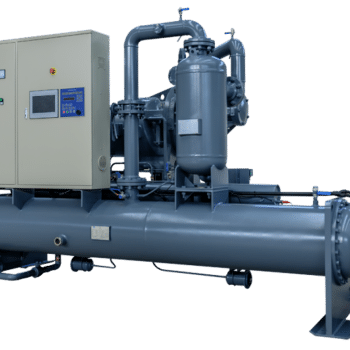 The Ebara RHSCW Series is a water-cooled screw chiller line featuring Japan's leading twin-screw compression technology. It is an optimal solution designed to provide a stable chilled water supply for central air-conditioning systems and large-scale industrial cooling processes.
EBARA-HIGH EFFICIENCY SCREW CHILLER-RHSCW
Explore now
The Ebara RHSCW Series is a water-cooled screw chiller line featuring Japan's leading twin-screw compression technology. It is an optimal solution designed to provide a stable chilled water supply for central air-conditioning systems and large-scale industrial cooling processes.
EBARA-HIGH EFFICIENCY SCREW CHILLER-RHSCW
Explore now