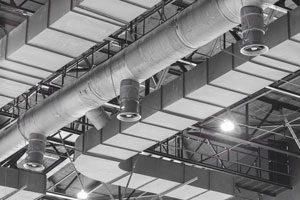
In HVAC systems, there are many different parameters that are commonly measured for system performance or building comfort. Some of the most commonly measured HVAC system parameters are temperature, air velocity, humidity and static pressure. Of those parameters, static pressure is extremely important in terms of system performance. Static pressure indicates how hard the HVAC system has to work to move air through the building or how much resistance to flow exists. The higher the static pressure, the harder the system has to work to move air through the building.
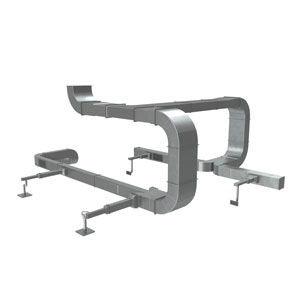
Every component in an HVAC system will add some resistance to flow. The bulk of that resistance comes from dampers in ductwork and other functional components like heating coils, cooling coils and filters. Other components like straight ducts, tees and elbows also add small amounts to the system. HVAC system designers typically create systems which are able to handle all flow resistance and provide an ideal static pressure for system operation.
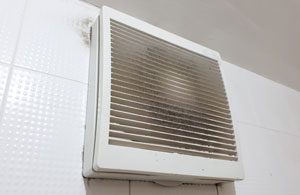
In a perfect world, these systems will be installed the way they are designed and work as intended; but sometimes systems have to be altered during installation, components are changed, ducts get damaged or accrue debris, and filters get clogged and go unchanged. All of these factors can add static pressure to your HVAC system and force it to work harder to run properly. High static pressure can cause drafty rooms with hot or cold spots, or even equipment failure. Systems with static pressure that is too high also tend make loud “whooshing” noises when they turn on and have increased energy costs.
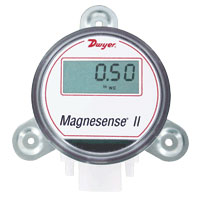
Luckily, there are some simple steps to prevent static pressure-related issues in your system. Monitoring static pressure across components in your system is an easy way to detect potential issues before they become big problems. Another simple maintenance step is to monitor total static pressure in the whole system. Handheld manometers can be used for one-time, manual checks, while differential pressure transmitters can be used for permanent monitoring. With Dwyer Instruments’ Series 475 and 477B handheld manometers or Series 605, MS or MS2 differential pressure transmitters, you can easily monitor the health of your HVAC system to ensure energy efficiency and prevent high maintenance costs.
To learn more or order any Dwyer product, please contact us, DISTRIBUTOR IN VIETNAM: BACH KHOA EQUIPMENT INTERNATIONAL JSC, our website.
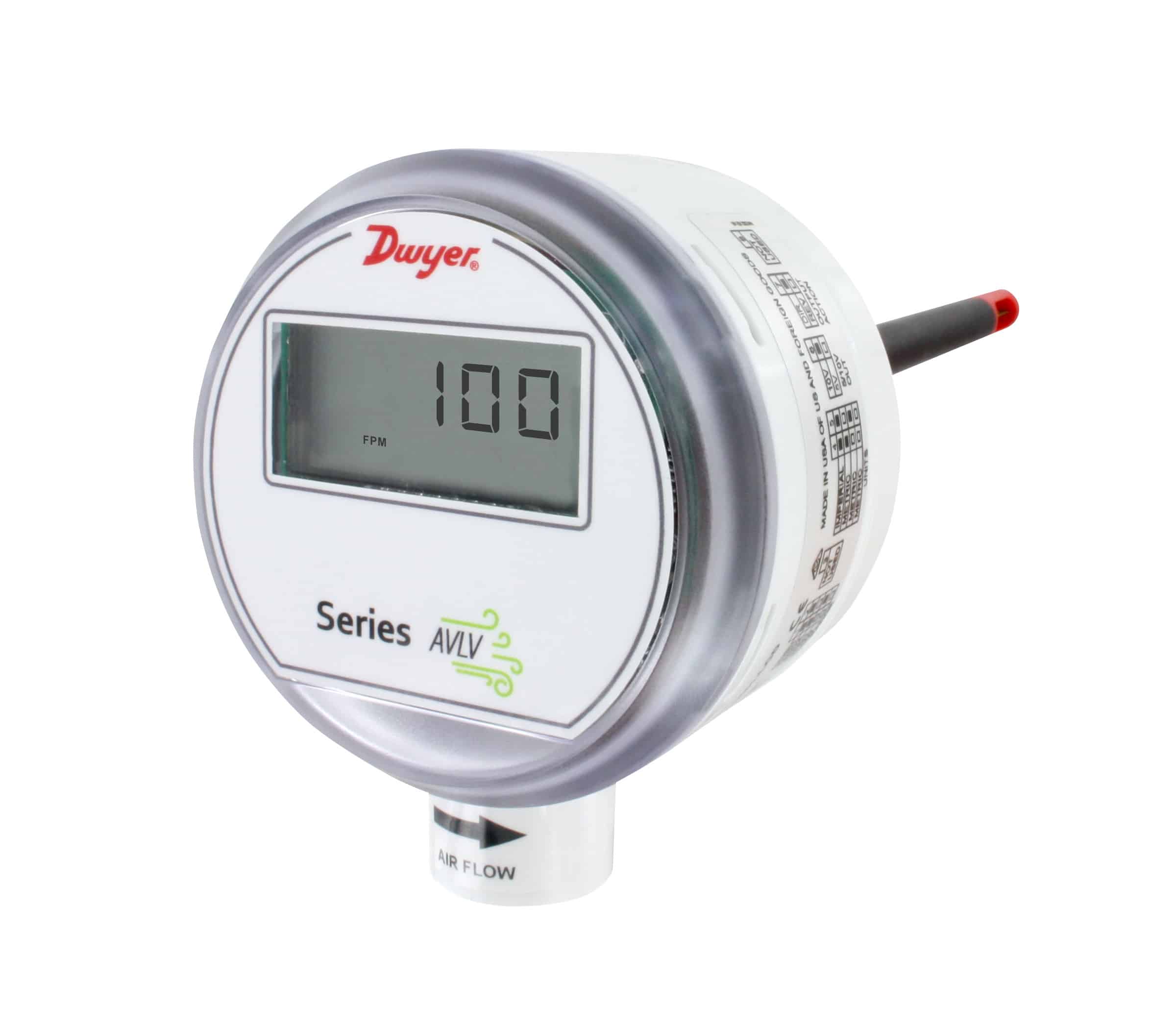
Dwyer Instruments offers a multitude of sensors for monitoring air velocity in HVAC systems. Some of this instrumentation has a simple construction (Pitot tubes, for example) while others are more complex, such as hot-wire anemometers. The initial term and first “hot-wire anemometer” was developed back in 1914 by Louie Vesso King. He is also accredited...
Explore now
From dairy to petrochemicals, several applications require monitoring or control of liquids in tanks. Wastewater facilities are among the many industries requiring meticulous observation. The technology used for this measurement is dependent upon the type of tank and its contents. Capacitive level switches, for example, detect level and send a switch signal output when the...
Explore now

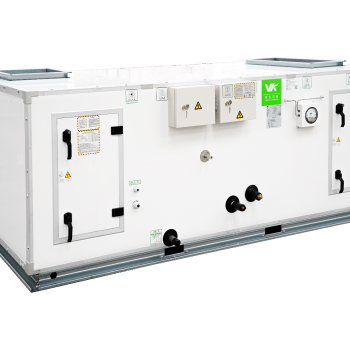 The Modular AHU (VAC series) is engineered to serve environments with stringent requirements for air quality, temperature, and humidity control. Thanks to its flexible modular design, cross-contamination prevention, microbial growth inhibition, and superior thermal insulation performance, the product is ideal for a wide range of diverse applications.
VECK - MODULAR AIR HANDLING UNIT (AHU) - VAC
Explore now
The Modular AHU (VAC series) is engineered to serve environments with stringent requirements for air quality, temperature, and humidity control. Thanks to its flexible modular design, cross-contamination prevention, microbial growth inhibition, and superior thermal insulation performance, the product is ideal for a wide range of diverse applications.
VECK - MODULAR AIR HANDLING UNIT (AHU) - VAC
Explore now
 The VECK VASW Series is a premier air-cooled screw chiller solution, specifically engineered for large-scale central air conditioning systems. By perfectly integrating advanced screw compressor technology with an intelligent control system, VECK is committed to delivering superior cooling efficiency across all weather conditions.
VECK - AIR-COOLED SCREW CHILLER - VASW
Explore now
The VECK VASW Series is a premier air-cooled screw chiller solution, specifically engineered for large-scale central air conditioning systems. By perfectly integrating advanced screw compressor technology with an intelligent control system, VECK is committed to delivering superior cooling efficiency across all weather conditions.
VECK - AIR-COOLED SCREW CHILLER - VASW
Explore now
 The VECK FCU Series is a premium line of Fan Coil Units featuring cutting-edge BLDC motor technology from China. Designed as an optimal solution, it delivers refreshing airflow, ultra-quiet operation, and exceptional energy efficiency. It is the perfect choice for central air conditioning systems in office buildings, hotels, and modern commercial projects.
VECK - FAN COIL UNIT (FCU)
Explore now
The VECK FCU Series is a premium line of Fan Coil Units featuring cutting-edge BLDC motor technology from China. Designed as an optimal solution, it delivers refreshing airflow, ultra-quiet operation, and exceptional energy efficiency. It is the perfect choice for central air conditioning systems in office buildings, hotels, and modern commercial projects.
VECK - FAN COIL UNIT (FCU)
Explore now
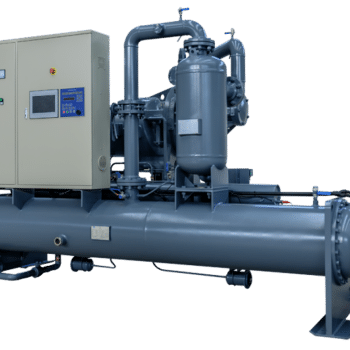 The Ebara RHSCW Series is a water-cooled screw chiller line featuring Japan's leading twin-screw compression technology. It is an optimal solution designed to provide a stable chilled water supply for central air-conditioning systems and large-scale industrial cooling processes.
EBARA-HIGH EFFICIENCY SCREW CHILLER-RHSCW
Explore now
The Ebara RHSCW Series is a water-cooled screw chiller line featuring Japan's leading twin-screw compression technology. It is an optimal solution designed to provide a stable chilled water supply for central air-conditioning systems and large-scale industrial cooling processes.
EBARA-HIGH EFFICIENCY SCREW CHILLER-RHSCW
Explore now